Category: Home & Tools

  • Best Cordless Drills for Homeowners in 2026

    Best Cordless Drills for Homeowners in 2026

    If you own only a handful of power tools, a cordless drill should probably be one of them. Hanging shelves, assembling furniture, installing hardware, drilling pilot holes, building projects, and handling routine repairs all become easier with a good drill.

    Most homeowners need a comfortable, dependable drill in a useful battery system—not necessarily the most powerful professional model available.

    Quick Picks

    • Best Overall: DeWalt 20V MAX XR DCD805
    • Best Heavy-Duty Choice: Milwaukee M18 FUEL 2904-20
    • Best for Most Homeowners: DeWalt 20V MAX XR
    • Best Battery Ecosystem Choice: Whichever platform you already own

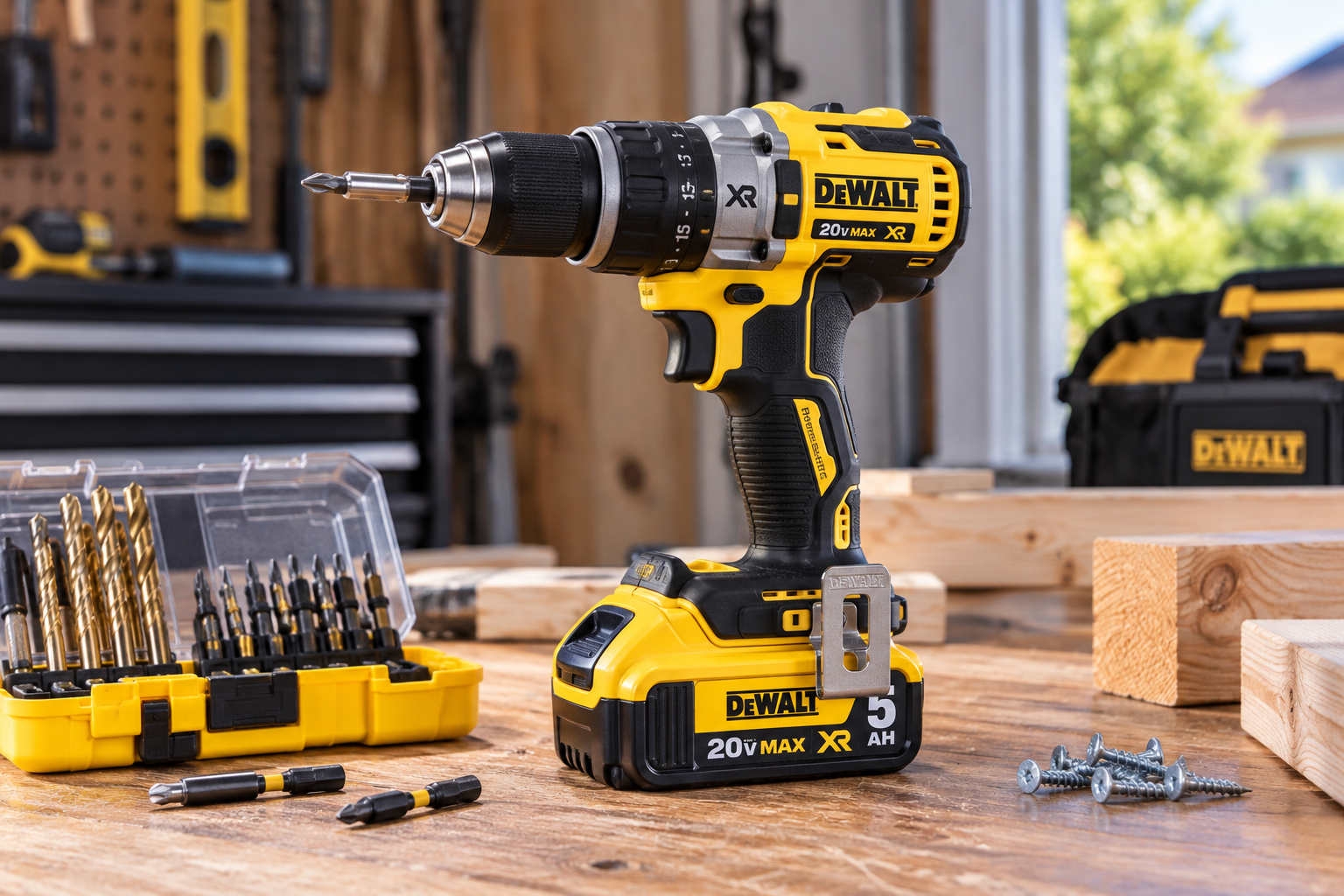
    Best Overall: DeWalt 20V MAX XR DCD805

    The DCD805 is a compact 20V MAX XR brushless hammer drill/driver with a 1/2-inch metal ratcheting chuck and roughly 7-inch tool-head length. The kit includes two 2Ah batteries, charger, and carrying bag.

    It is powerful enough for demanding homeowner work while still compact enough for ordinary drilling and fastening. Hammer-drill capability adds usefulness for occasional work in masonry.

    Best for: DIY homeowners wanting one versatile drill rather than separate basic and heavy-duty tools.

    Best Heavy-Duty Choice: Milwaukee M18 FUEL 2904-20

    Milwaukee’s M18 FUEL 2904-20 is a serious hammer drill/driver. Milwaukee rates it at up to 1,400 in-lbs of torque and 2,100 RPM, and it includes AutoStop control designed to reduce dangerous over-rotation if the bit binds.

    Best for: Advanced DIYers and anyone already heavily invested in Milwaukee M18 batteries.

    How to Choose a Cordless Drill

    A basic drill/driver handles wood, drywall, metal, screws, furniture, and normal household projects. A hammer drill adds a hammering action useful for materials such as brick or concrete.

    Compact 12V drills are lighter and can handle a surprising amount of household work. Full-size 18V/20V platforms usually offer more power, broader tool ecosystems, longer runtime options, and better suitability for heavy DIY.

    Our Bottom Line

    The DeWalt DCD805 is our best overall homeowner choice because it balances size, capability, and a very broad 20V tool system. The Milwaukee M18 FUEL 2904-20 is more appealing for heavier work and existing M18 users. For occasional household repairs, either one is more drill than many homeowners will ever outgrow.

    Related guide: Best Shop Vacuums for Homeowners.

  • Best Shop Vacuums for Homeowners in 2026

    Best Shop Vacuums for Homeowners in 2026

    A shop vacuum is one of those tools that becomes useful in far more situations than you expect. Sawdust after a project, water around a washing machine, debris in the garage, dirt in a vehicle, and messy home repairs are all much easier when you have a wet/dry vacuum nearby.

    The right shop vac does not necessarily mean buying the biggest machine you can fit in the garage. For many homeowners, portability and ease of storage matter just as much as capacity.

    Quick Picks

    • Best Overall: RIDGID 4-Gallon Portable Wet/Dry Vac
    • Best Cordless/Corded: DeWalt DCV581H
    • Best for Larger Cleanup: RIDGID 12-Gallon NXT
    • Best Compact Choice: DeWalt DCV581H
    • Best Garage Workhorse: RIDGID 12-Gallon NXT

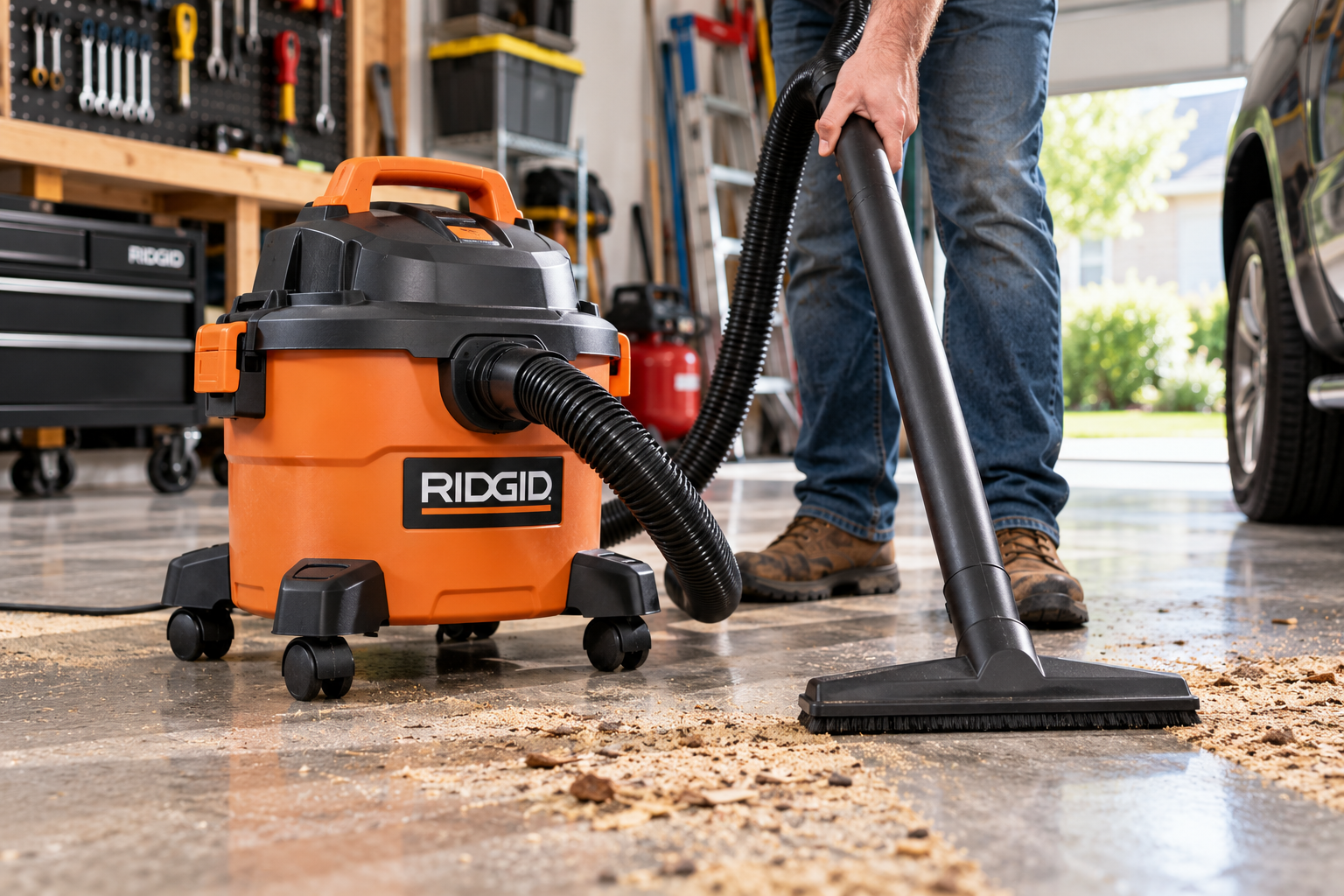
    Best Overall: RIDGID 4-Gallon Portable Wet/Dry Vac

    RIDGID’s 4-gallon 4000RV is a useful middle ground between tiny handheld cleanup tools and full-size garage vacuums. RIDGID rates it at 5 peak horsepower and 92 CFM, with a 20-foot cord and compact 4-gallon drum. The smaller body makes it easier to move around a garage, carry to a vehicle, or store on a shelf than a traditional large-canister vacuum.

    It offers serious wet/dry-vac capability without forcing homeowners to drag around a giant tank for every small job.

    Best for: Garages, vehicles, home projects, workshops, and homeowners who value portability.

    Best Cordless/Corded: DeWalt DCV581H

    The DeWalt DCV581H stands out because it can run from either a 20V MAX battery or a standard AC outlet. It has a 2-gallon tank, washable reusable filter, 5-foot hose, and onboard accessory storage.

    Cordless operation is extremely convenient for quick vehicle cleanup, outdoor work, or anywhere you do not want to run an extension cord. Being able to plug it in when battery power is not needed gives it extra versatility.

    Best for: Homeowners already invested in DeWalt 20V batteries and anyone wanting a highly portable wet/dry vac.

    Best for Larger Cleanup: RIDGID 12-Gallon NXT

    Once you start dealing with larger remodeling jobs, bigger spills, or repeated garage cleanup, extra tank capacity becomes more useful. RIDGID’s current professional lineup includes several larger NXT wet/dry vacuums, including a 12-gallon model. A larger tank means fewer interruptions to empty the vacuum during bigger jobs.

    Best for: DIY renovations, workshops, larger garages, and homeowners who frequently tackle messy projects.

    How to Choose a Shop Vacuum

    For vehicle interiors and quick cleanup, 2 to 4 gallons is often plenty. For general garage use, 4 to 8 gallons can be a good balance. For remodeling, heavy debris, or larger wet messes, 10 gallons or more may be worth the extra bulk.

    Cordless shop vacs are convenient but limited by battery runtime. Corded models generally make more sense for longer cleaning sessions. Hybrid models such as the DeWalt DCV581H give you both options.

    Our Bottom Line

    The RIDGID 4-Gallon Portable Wet/Dry Vac is our strongest all-around homeowner pick because it combines useful power with manageable size. The DeWalt DCV581H is especially appealing if portability or battery compatibility matters. If you routinely tackle bigger projects, step up to a larger RIDGID-style wet/dry vac rather than repeatedly emptying a small tank.

    For another useful garage guide, see our best portable tire inflators.

  • Best Pressure Washers for Driveways and Patios in 2026

    Best Pressure Washers for Driveways and Patios in 2026

    A pressure washer is one of the most satisfying home-maintenance tools you can own.

    When it comes to cleaning driveways and patios, the difference between scrubbing by hand and using a pressure washer is dramatic. Dirt, mildew, grime, and seasonal buildup come off faster and with far less effort.

    For most homeowners, the best pressure washer is not necessarily the most powerful one. It is the one that gives you enough cleaning power for concrete and outdoor surfaces without becoming overly expensive, bulky, or annoying to use.

    Quick Picks

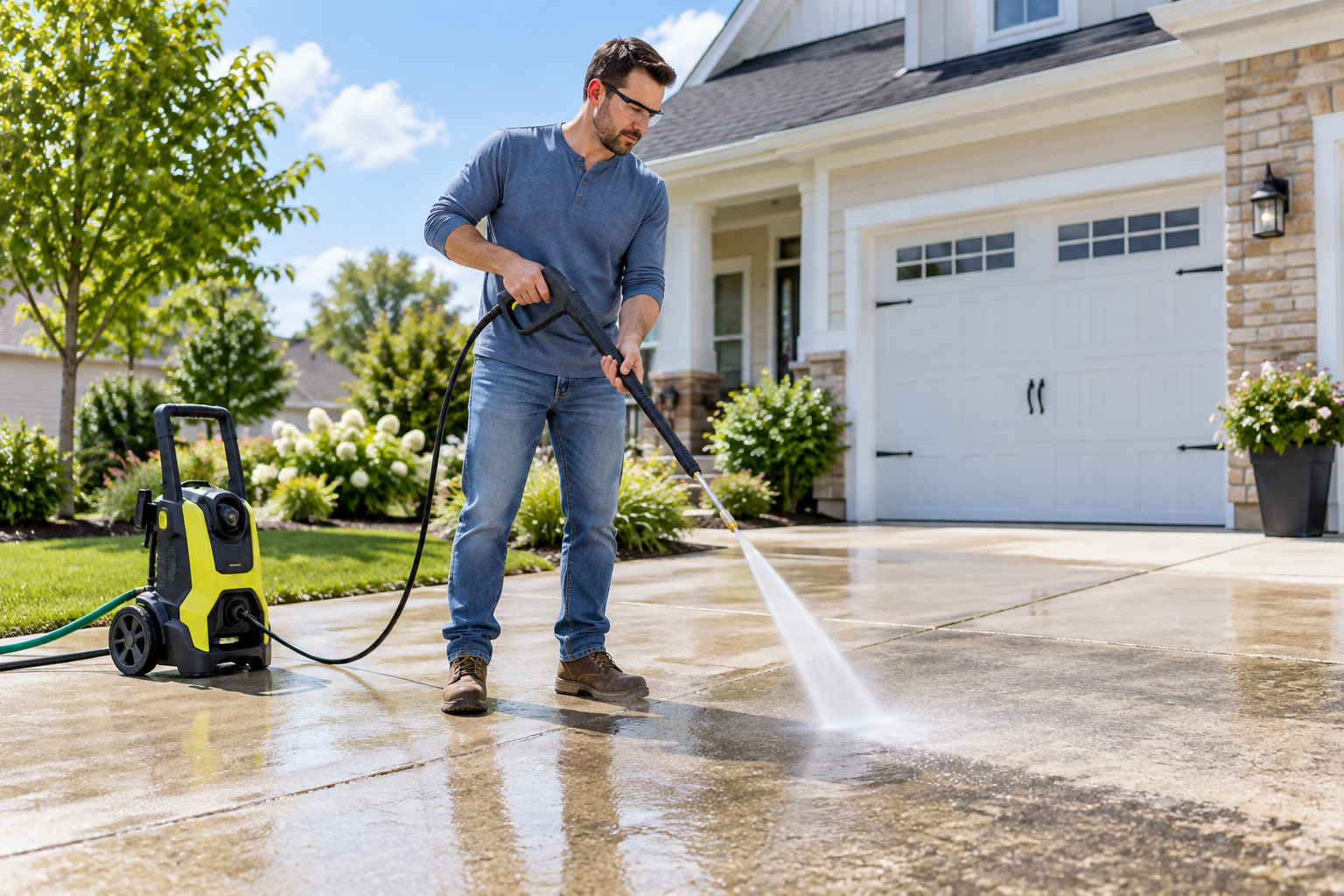
    Best Overall: DeWalt Electric Pressure Washer
    Best Value: Ryobi Electric Pressure Washer
    Best Compact Choice: Greenworks Electric Pressure Washer
    Best for Heavier Jobs: Simpson Gas Pressure Washer
    Best for General Home Use: Westinghouse Electric Pressure Washer


    Best Overall: DeWalt Electric Pressure Washer

    DeWalt has become a strong option for homeowners who want a solid balance of cleaning power, usability, and brand confidence.

    For driveways and patios, it lands in a useful middle ground: more than enough for regular home cleanup, without pushing buyers into a larger gas unit they may not need.

    Why we like it

    It fits the way most homeowners actually use a pressure washer — occasional but meaningful cleanup around the house.

    Best for

    People who want a dependable electric pressure washer for routine driveway, patio, walkway, and outdoor-furniture cleaning.


    Best Value: Ryobi Electric Pressure Washer

    Ryobi remains one of the easiest brands to recommend to average homeowners because it typically offers strong value and broad retail availability.

    If you want a pressure washer that performs well without stretching the budget too far, this is the kind of option that makes sense.

    Why we like it

    Good value matters with a tool that may only come out a handful of times each year. Ryobi usually lands in that sweet spot between too weak and too expensive.

    Best for

    Budget-conscious homeowners who still want a worthwhile upgrade over entry-level no-name machines.


    Best Compact Choice: Greenworks Electric Pressure Washer

    Some buyers want something that is easier to move, easier to store, and less intimidating than a larger unit.

    That is where Greenworks pressure washers often stand out.

    Why we like it

    A compact pressure washer is more likely to be used. If the machine is easy to pull out, set up, and store away again, it becomes much more practical for normal home ownership.

    Best for

    Smaller garages, townhomes, and homeowners who value easy storage and portability.


    Best for Heavier Jobs: Simpson Gas Pressure Washer

    If you have a large driveway, more stubborn staining, multiple concrete surfaces, or frequent heavier-duty outdoor cleaning, a gas pressure washer still deserves consideration.

    Simpson is a well-known name in that category.

    Why we like it

    Gas units generally offer more cleaning muscle and longer no-cord operation, which can matter for bigger jobs.

    Best for

    Larger properties, heavier buildup, and homeowners who want more raw cleaning power than typical electric models provide.


    Best for General Home Use: Westinghouse Electric Pressure Washer

    Westinghouse-style electric models often appeal to homeowners who want broad, everyday usefulness without getting too specialized.

    Why we like it

    This kind of machine works well for more than driveways and patios. It also fits general household cleanup, including siding, fencing, outdoor furniture, grills, and garage floors.

    Best for

    Buyers who want one electric pressure washer for a variety of home-maintenance jobs.


    How to Choose a Pressure Washer

    Electric vs gas

    For most homeowners, electric is the right place to start.

    Electric pressure washers are quieter, easier to maintain, and usually easier to store. They are ideal for patios, sidewalks, vehicles, and routine concrete cleanup.

    Gas makes more sense if you need extra cleaning power, longer runtimes, or plan to tackle larger and dirtier surfaces regularly.

    Think about how often you will use it

    If you only clean your patio and driveway a few times a year, an oversized unit probably is not necessary.

    If you are regularly cleaning several outdoor surfaces, a more capable model may save time and effort.

    Storage matters

    A pressure washer that is a pain to move and store often ends up neglected.

    Cord management, hose storage, wheel design, and overall footprint matter more than many buyers expect.

    Attachments can make a big difference

    For concrete cleaning, a surface cleaner attachment can make driveway and patio work much easier and more consistent than using a standard spray wand alone.


    Our Bottom Line

    For most homeowners, a good electric pressure washer is the smartest choice for driveways and patios.

    The DeWalt option gets the nod as best overall because it offers a strong balance of power, usability, and homeowner-friendly practicality.

    Ryobi stands out on value, while Greenworks is especially appealing if portability and storage are priorities.

    If you know you need more serious cleaning power, then a Simpson gas pressure washer is worth the extra size and maintenance.


    Frequently Asked Questions

    Is an electric pressure washer strong enough for driveways?

    Usually, yes. For most homeowners, a quality electric pressure washer is strong enough for normal driveway and patio cleaning.

    Do I need a gas pressure washer for concrete?

    Not necessarily. Gas is useful for larger or tougher jobs, but it is more machine than many homeowners need.

    What is the best accessory for cleaning a driveway?

    A surface cleaner attachment is one of the most useful accessories for concrete.

    How often should I pressure wash a patio or driveway?

    Usually once or twice a year is enough, though this depends on shade, climate, mildew, and how dirty the area gets.